
The best chainsaw for home owner 2026 usually comes down to one thing, matching the saw to what you actually cut at home, not what looks most powerful on a shelf.
Most homeowners want a chainsaw for storm cleanup, trimming fallen limbs, light firewood, and the occasional small tree. The frustration starts when a saw feels too heavy, won’t start easily, runs out of battery mid-job, or kicks back when you least expect it.
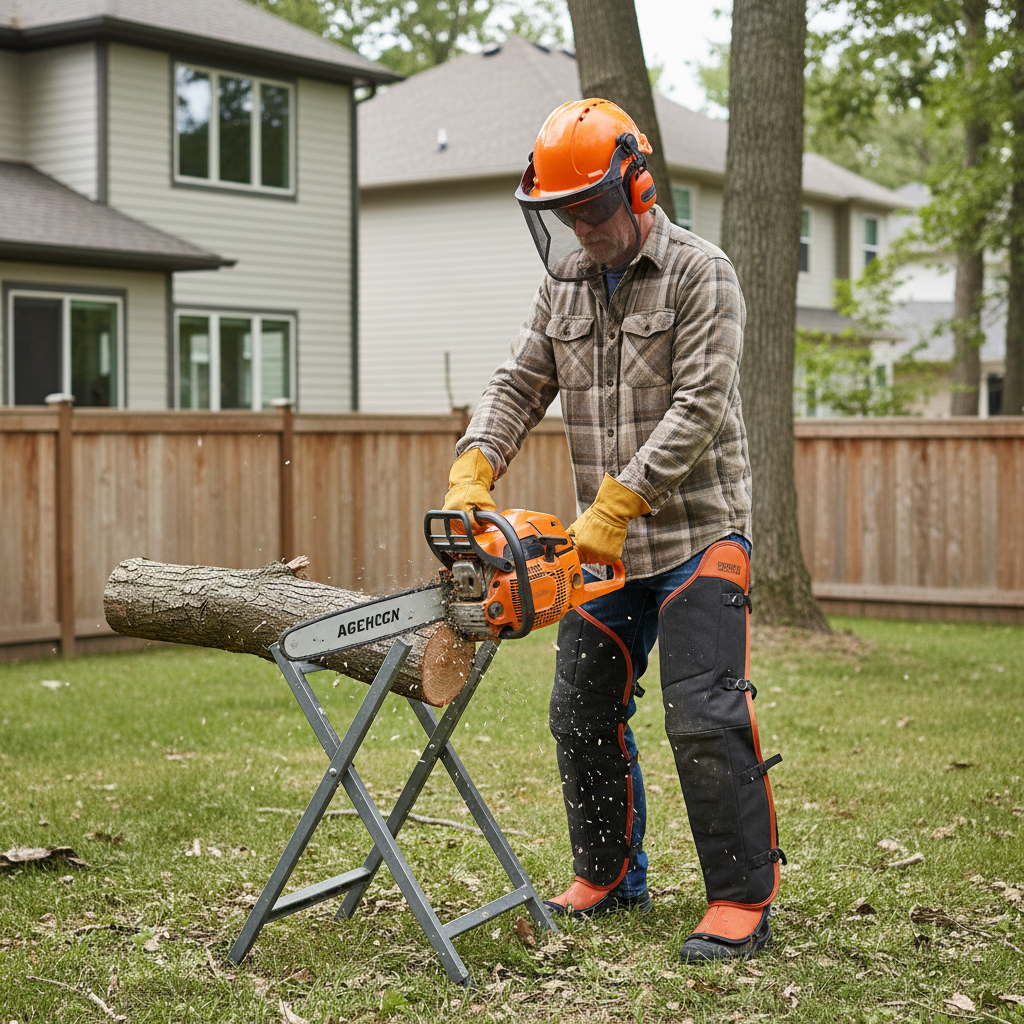
This guide helps you pick a realistic “homeowner sweet spot” saw, avoid common buying traps, and set it up so it cuts straight and starts reliably. I’ll also call out when it’s smarter to rent, or bring in a pro.
Quick answer: what “best” means for most homeowners
If you’re shopping for the best chainsaw for home owner 2026, most households land in one of two categories: a battery saw for convenience, or a mid-size gas saw for heavier, longer sessions.
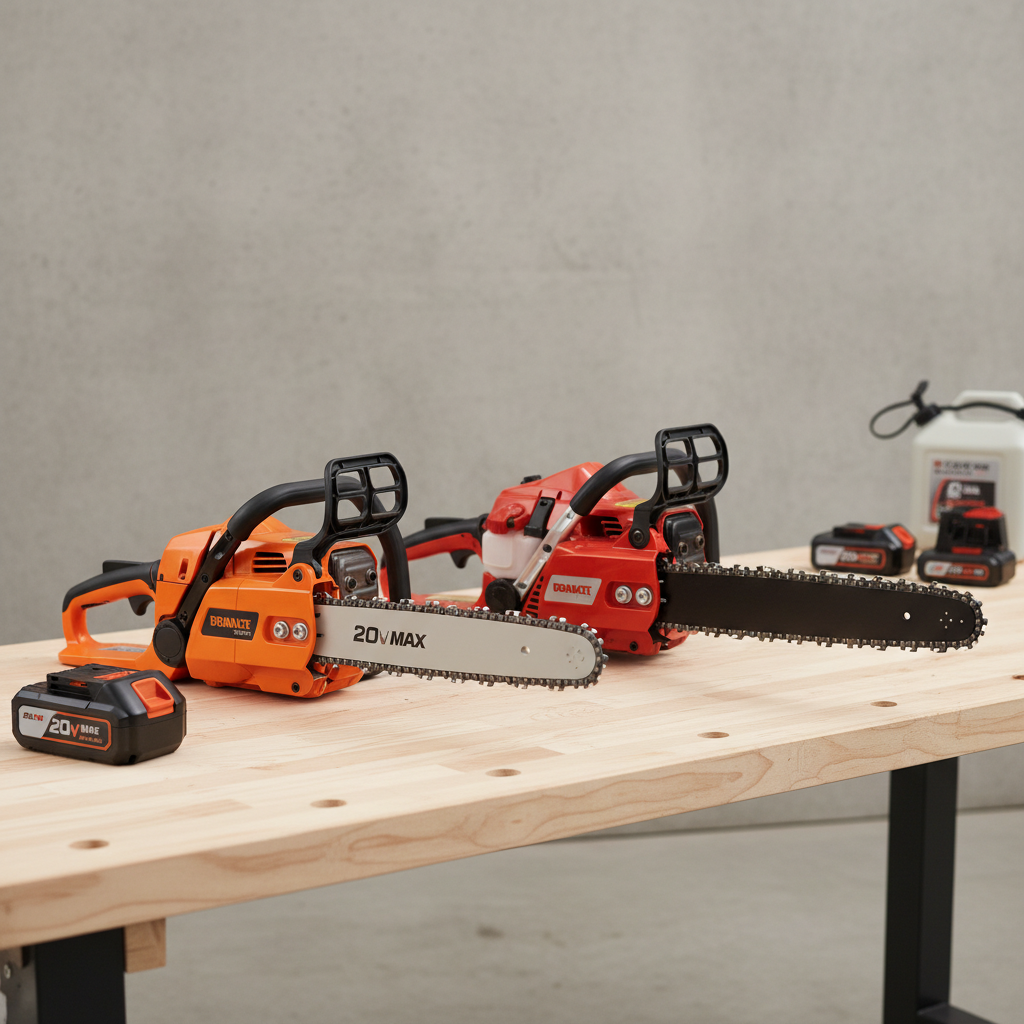
- Battery (cordless) chainsaw: best for convenience, less maintenance, quieter use, and quick storm cleanup.
- Gas chainsaw: best for longer run time, larger diameter wood, and remote property where charging is annoying.
- Corded electric: fine for small yard work if you don’t mind extension cords, but many people outgrow it fast.
Key point: For typical suburban work, a modern 40V–80V battery platform (with at least one extra battery) often feels “best” because it removes most of the pain points that make homeowners hate chainsaws.
Choosing the right size: bar length and power without overbuying
Bar length is where a lot of purchases go sideways. Too short, and you struggle on storm cleanup. Too long, and the saw becomes heavier, harder to control, and more prone to user mistakes.
A practical bar-length guide
- 12–14 in: pruning, small limbs, light trimming, very easy handling.
- 16 in: the “most homeowners” zone for branches and medium logs.
- 18–20 in: occasional small-tree felling and bigger storm events, but weight and kickback risk rise.
A common rule of thumb is you can cut a log about twice the bar length by cutting from both sides, but real-world cutting is rarely that neat, especially in debris piles after a storm.
According to OSHA, kickback is a major hazard with chainsaws, and control matters as much as raw power, so don’t treat bar length as a status symbol.
Battery vs gas for homeowners in 2026: what actually changes your day
Both types can be “best,” but they fail in different ways. Think about the job rhythm you have at home: a few bursts per month, or long sessions on weekends.
When battery usually wins
- You want push-button starting and minimal maintenance.
- You do 10–30 minute jobs: storm limbs, tidying fence lines, quick firewood cuts.
- You care about lower noise in neighborhoods and less odor in a garage.
When gas still makes sense
- You cut for an hour or more at a time, or you routinely face hardwood over ~12–16 in diameter.
- You have remote property where charging and spare batteries become a hassle.
- You’re comfortable with fuel mixing (if 2-stroke), warm-up, and seasonal storage steps.
For many people, the “best chainsaw for home owner 2026” is the one they’ll actually maintain. A neglected gas saw that won’t start after a storm is functionally worse than a slightly less powerful battery model that’s always ready.
Buyer’s checklist: self-test before you pick a saw
Use this quick list to identify what you need, not what marketing says you need.
- Typical wood size: Mostly limbs under 8 in, or logs closer to 12–16 in?
- How often: A few times a year, monthly, or weekly?
- Physical comfort: Can you hold the saw at working height for 1–2 minutes without shaking?
- Storage: Garage shelf, shed, or tight closet where fuel smell matters?
- Battery ecosystem: Do you already own 40V/60V/80V yard tools you like?
- Budget reality: Are you counting the cost of an extra battery, a sharpener, bar oil, and PPE?
If your answers lean “occasional, medium-small wood, convenience matters,” your best bet is commonly a reputable battery saw in the 14–16 in class with a second battery.
Recommended homeowner setups (by scenario)
Rather than pretending there’s one universal winner, here are setups that tend to work in real households. Brand choice often comes down to service availability near you and which battery platform you trust.
| Homeowner scenario | Suggested type | Bar length | What to prioritize |
|---|---|---|---|
| Suburban storm cleanup, light trimming | Battery | 14–16 in | Tool weight, easy chain tensioning, extra battery |
| Regular firewood, mixed hardwood | Gas or high-voltage battery | 16–18 in | Torque, good chain/brake feel, local service |
| Rural property, longer sessions | Gas | 18–20 in | Run time, air filtration, parts availability |
| Small yard, occasional branches | Corded electric or compact battery | 12–14 in | Simple storage, low cost, low maintenance |
My take: the “most regrets” happen when people buy too big for comfort, then avoid using it. If you’re on the fence, size down and sharpen often.
Setup and use: the steps that prevent 80% of homeowner headaches
Most cutting problems aren’t “bad saw” problems, they’re chain sharpness, chain tension, or the wrong cutting posture.
Before you cut
- Wear PPE: eye/face protection, hearing protection, gloves, and chainsaw chaps are common recommendations. According to CDC, protective gear can help reduce injury risk in many tool-related activities.
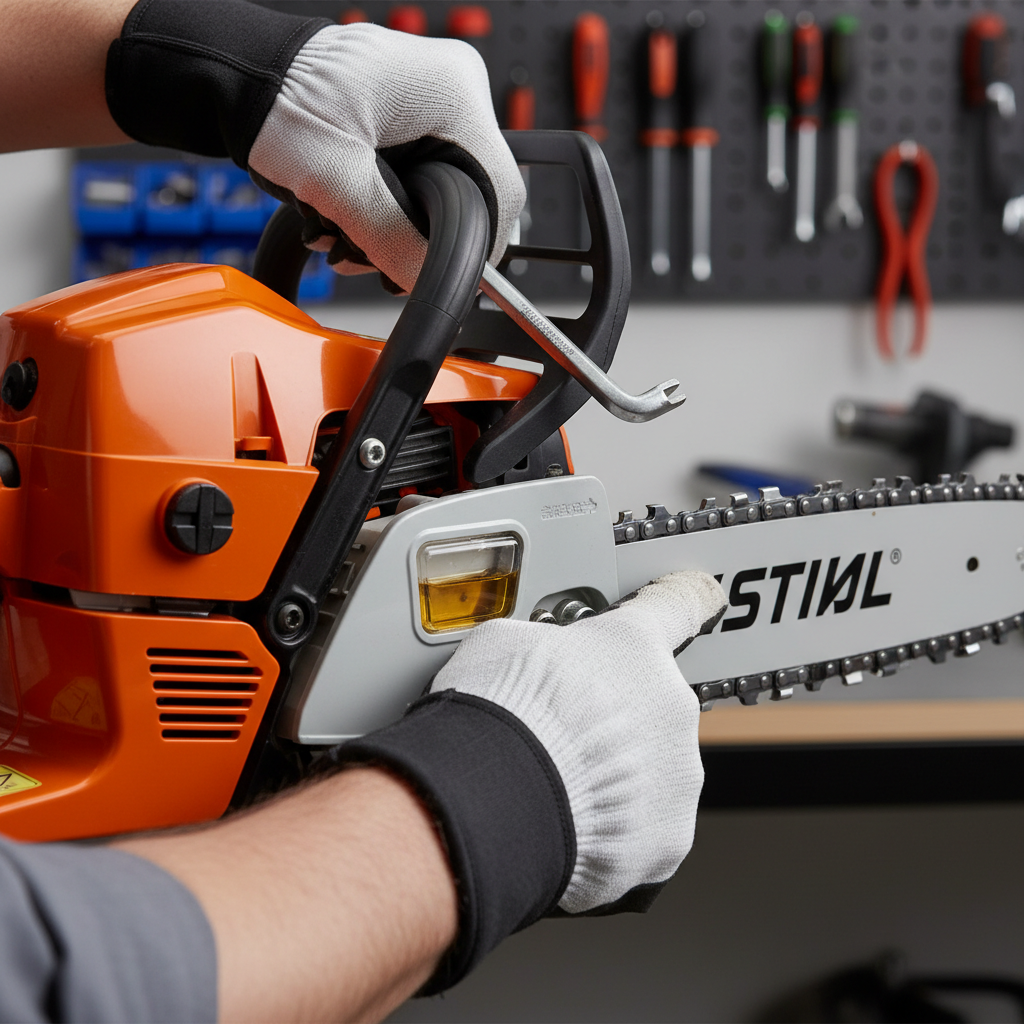
- Check chain tension: snug on the bar, still able to pull around by hand with gloves.
- Fill bar oil: many “my saw smokes” complaints start with low oil.
- Confirm chain direction: it sounds basic, but it happens.
While cutting
- Let the chain do the work: forcing the cut often makes it wander and heats the bar.
- Avoid the kickback zone: the upper tip of the bar is where many incidents start, especially in tangled limbs.
- Support the wood: use a sawhorse or sawbuck when possible, it keeps the bar from pinching.
After the job
- Clean chips out: especially around the sprocket cover.
- Touch up the chain: light sharpening beats waiting until it’s completely dull.
- Battery storage: keep packs out of extreme heat or freezing temps when you can.
Common mistakes when shopping for the best chainsaw for home owner 2026
- Buying bar length first, ergonomics second: if it’s awkward, you’ll compensate, and control drops.
- Ignoring total cost: battery saw sticker price may look great until you add a second battery and a decent charger.
- Assuming “self-sharpening” solves dull chains: many systems still need maintenance and correct chain selection.
- Skipping PPE because it’s “just one cut”: most accidents happen in quick jobs when attention slips.
- Using old fuel: for gas saws, stale fuel is a frequent reason they won’t start after sitting.
If you want the best chainsaw for home owner 2026, aim for a setup that stays ready: sharp chain, fresh oil, charged battery or clean fuel, and a storage plan that doesn’t invite neglect.
When to rent a bigger saw or call a professional
There’s a line where “homeowner chainsaw work” turns into high-risk work. If any of these apply, it’s often worth getting help, even if you own a saw.
- Storm-damaged trees under tension: limbs can spring unpredictably, and cutting strategy matters.
- Large trees near homes or power lines: a small mistake can become expensive fast.
- Repeated kickback or pinching: it may indicate technique issues, wrong chain, or setup problems.
- Physical limitations: if you feel unstable holding the saw, consider a lighter tool or a pro.
According to ANSI guidance on chainsaw safety, proper training and protective equipment play a big role in reducing risk; if you’re unsure, a local arborist or qualified trainer can be a smart next step.
Conclusion: a practical way to pick your homeowner chainsaw
If you’re deciding on the best chainsaw for home owner 2026, start with your most common cut size, then choose the lightest saw that still handles that job without strain. For many U.S. homeowners, that means a 14–16 inch battery saw plus a spare battery, a sharp chain, and real PPE.
Two actions that pay off immediately: measure the typical limb diameter you deal with after storms, and budget for sharpening and safety gear alongside the saw. You’ll cut cleaner, finish faster, and feel more in control.
FAQ
What bar length is best for a homeowner chainsaw?
For many homeowners, 16 inches hits a good balance of reach and control. If you mainly trim smaller branches, 12–14 inches can feel easier and safer.
Is a battery chainsaw strong enough for storm cleanup?
Often yes for limbs and medium logs, especially with modern 40V–80V systems. If you frequently cut thick hardwood for long sessions, gas or a higher-output battery model may fit better.
How do I know my chain is dull?
If the saw makes dust instead of chips, pulls to one side, or you have to push hard to keep it cutting, the chain likely needs sharpening or replacement.
Do I need two batteries for a cordless chainsaw?
In many households, yes. One battery is fine for quick cuts, but a second pack reduces downtime and makes the tool feel reliable during storm cleanup.
What safety gear should homeowners actually buy?
At minimum, eye protection and hearing protection help. Many safety programs also recommend gloves and chainsaw chaps; if you’re unsure what’s appropriate for your situation, ask a local dealer or safety trainer.
Why does my chainsaw cut crooked?
Crooked cuts often come from unevenly sharpened cutters, chain damage, or a worn bar. Swapping to a sharp chain and checking bar condition solves a lot of “my saw is off” complaints.
Should I buy gas if I only use a chainsaw a few times a year?
Usually a battery saw is simpler for infrequent use because it avoids fuel storage issues. If you already maintain gas equipment and need long run time, gas can still be reasonable.
If you’re trying to choose the best homeowner setup without guessing, a good next step is listing the thickest wood you expect to cut, then comparing a few models in-store for weight and grip comfort. If you want a more “set and forget” approach, picking one reputable battery platform you’ll use across yard tools can make ownership feel a lot easier.