
Best garden shear for bush trimming sounds simple until you’re halfway through a shrub and the tool starts chewing stems instead of slicing them cleanly. Most “bad shear” complaints come down to a few practical mismatches: blade length vs. plant type, weak pivots, handles that fatigue your wrists, or choosing hedge shears when you really needed bypass pruners.
This guide is built for real yard work in the U.S., boxwoods, hollies, viburnum, small hedges, plus the random overgrown foundation bush that always gets ignored until it becomes a weekend project. I’ll help you pick the right shear style, spot quality quickly in-store or online, and keep it cutting well through the season.
Quick note before we get into “best”: there isn’t one shear that wins for every yard. If you buy based on one spec or one five-star review, you can end up with a tool that feels wrong for your hands or fights the way your shrubs actually grow. The goal is a clean cut, predictable control, and less fatigue.
What “best” really means for bush trimming (and why it varies)
For bush trimming, “best” usually means you can shape the outer growth cleanly without tearing, you can reach the awkward spots, and you don’t feel wrecked afterward. That depends on your shrubs and how you trim.
- Soft new growth and light shaping: hedge shears or grass shears can be efficient, especially on small hedges.
- Woody stems inside the canopy: bypass hand pruners or loppers often outperform shears, even if the plant “looks” like a hedge.
- Detail work: short-blade shrub shears give control, better for topiary touch-ups and tight corners.
According to the U.S. Consumer Product Safety Commission (CPSC), many home injuries relate to tool misuse and poor maintenance, so choosing the correct tool type and keeping blades sharp matters for safety as much as results.
Garden shear types: which one fits your bushes?
People search for the best garden shear for bush trimming and often mean “something that trims bushes,” but the tool category matters. Here’s the quick map.
Hedge shears (manual, long blades)
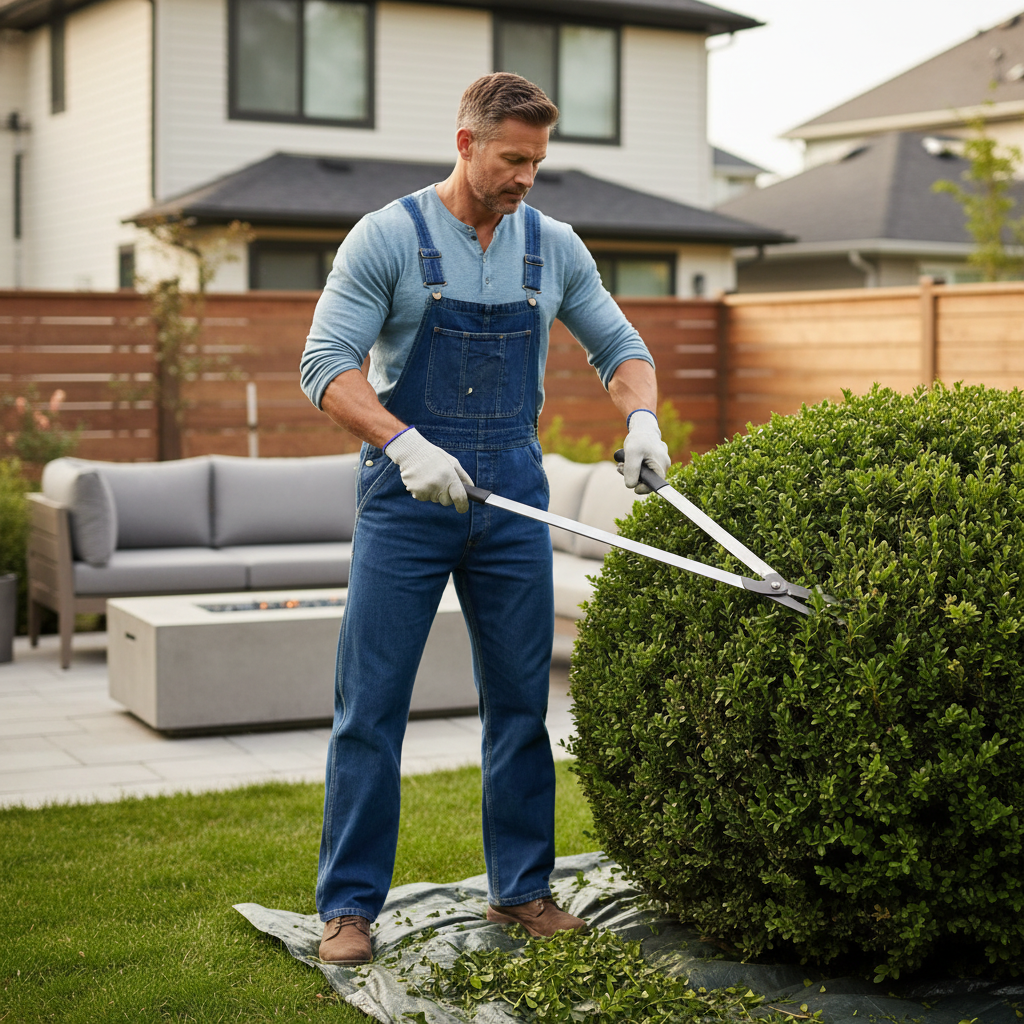
These are the classic two-hand shears for shaping hedges. They shine when you’re making lots of small, similar cuts across a surface.
- Best for: boxwood, privet, small leaf hedges, light annual shaping
- Watch out for: thick stems, interior wood, very fibrous shrubs that snag
Shrub shears (shorter blades, more control)
Think of these as “detail shears.” They’re great for precision where long blades feel clumsy.
- Best for: small shrubs, spot shaping, tight spaces near siding and fences
- Watch out for: slower on long hedges
Grass shears (often swivel head)
Not really for bushes, but they do show up in search results. They’re for edging grass and tiny groundcover touch-ups. If your “bush trimming” is actually a groundcover border, these can help.
Bypass pruners (not a shear, but often the right answer)
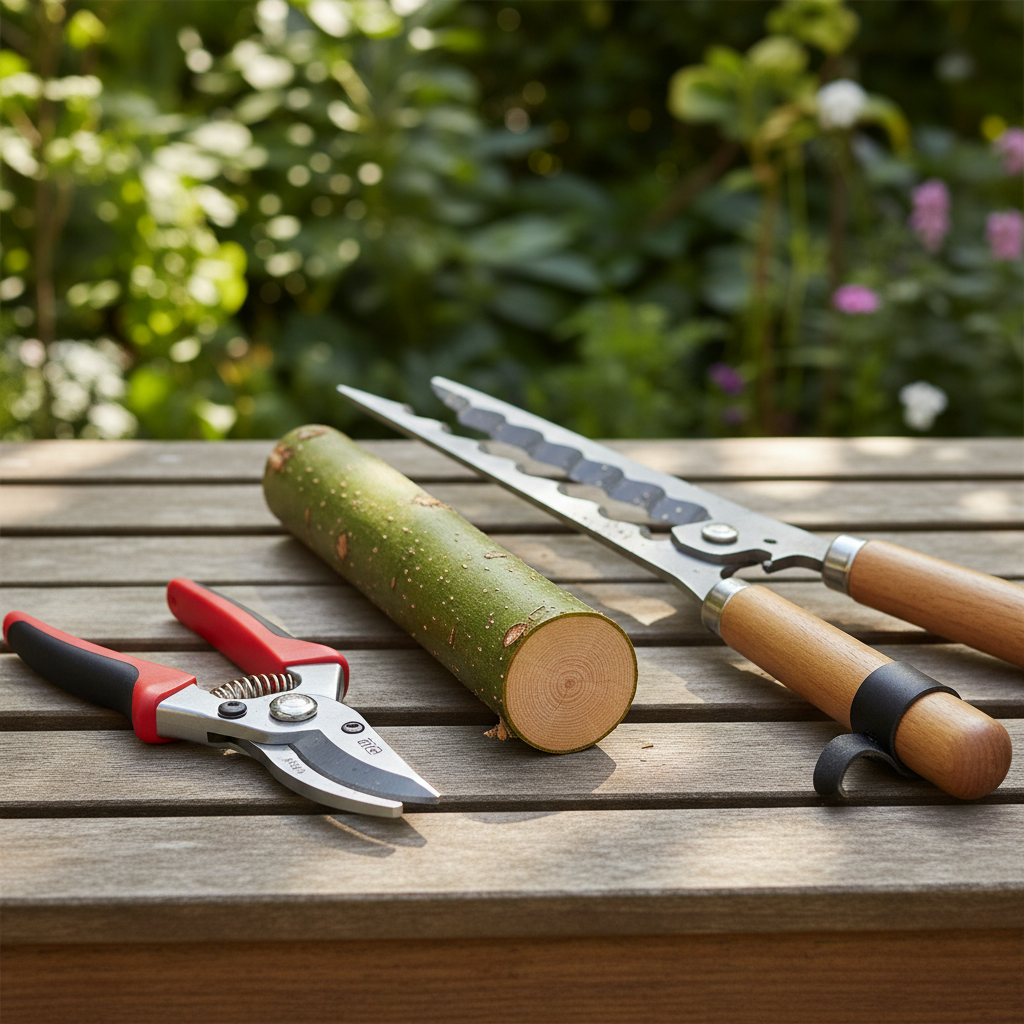
If you keep hitting stems thicker than a pencil, stop fighting hedge shears. Bypass pruners make cleaner cuts on live wood and reduce tearing.
Buying checklist: what to look for before you spend money
When you’re scanning options, ignore marketing first and check the parts that decide whether a tool feels solid after month three.
- Blade material: high-carbon steel or quality stainless tends to hold an edge longer. Coatings can reduce sap sticking, but they don’t replace real steel quality.
- Blade length: longer blades cover more area, shorter blades give better control. For many homeowners, mid-length is the easiest to live with.
- Pivots and hardware: look for a tight pivot with minimal wobble. Loose pivots create ragged cuts and hand strain.
- Bumpers/shock absorbers: small detail, big comfort difference on repeated closing.
- Handle ergonomics: grip diameter matters. If you have smaller hands or arthritis, this can outweigh “premium blade steel.”
- Cutting capacity (realistic): many shears do well on thin tips but struggle deeper. If you frequently cut thicker stems, plan on pairing with pruners.
- Sharpening access: if you can’t comfortably sharpen it, odds are you won’t, and performance will slide fast.
Key takeaway: the best garden shear for bush trimming is the one you can keep sharp, control easily, and use without forcing cuts.
Quick comparison table: choose a shear style in 30 seconds
If you’re trying to decide quickly, this table usually gets you to the right category, then you can shop within that category based on build quality and comfort.
| Tool type | Best use | Pros | Limitations |
|---|---|---|---|
| Manual hedge shears | Shaping hedge surfaces, light annual trims | Fast coverage, simple, no battery | Weak on thick stems, can tear if dull |
| Shrub shears | Detail shaping, small shrubs, tight corners | High control, cleaner lines in small areas | Slower on long runs |
| Bypass hand pruners | Woody stems, selective thinning | Clean cuts on live wood, less plant stress | Not for “surface shaping” |
| Electric/battery hedge trimmer | Big hedges, frequent shaping | Fastest for large areas | More safety concerns, less precise on detail |
Self-check: are you using the wrong tool (or the wrong technique)?
Before you buy anything new, run through this. A lot of frustration comes from dull blades or cutting the wrong part of the plant.
- You see torn, brown, frayed tips within a day or two.
- You have to twist your wrists to make cuts land.
- The shear bounces off stems unless you squeeze hard.
- You hear more crunching than slicing.
- You’re trying to shape a shrub that really needs selective thinning inside, not just a haircut on the outside.
If two or more match, the fix may be sharpening, adjusting the pivot, or switching to bypass pruners for interior cuts, then finishing with shears for the surface.

How to trim bushes with shears: a practical workflow that avoids mistakes
Good-looking shrubs usually come from a simple rhythm: prep, shape lightly, step back, then refine. Overcutting happens fast when you stay too close.
1) Prep the plant and your tools
- Clear dead twigs and obvious thick stems using bypass pruners.
- Wipe blades if you see sticky sap buildup, it causes drag and ragged cuts.
- Check pivot tightness, if blades shift sideways, tighten before you start.
2) Shape in passes, not in one aggressive cut
- Take off small amounts per pass, especially on boxwood and similar dense shrubs.
- Cut with the blade moving across the surface, not stabbing straight in.
- Step back every minute or two, your eyes catch uneven spots from distance.
3) Leave breathing room (literally)
Many shrubs do better with slight thinning inside rather than pure “shell shaping.” A solid outer shell can block light and air, then you get sparse growth inside. If you’re unsure how much thinning your shrub tolerates, your local extension office often has species-specific guidance. According to USDA Cooperative Extension, plant response to pruning varies by species and timing, so matching technique to the shrub matters.
Care, sharpening, and storage: keep a “best” shear feeling best
Most manual shears feel amazing out of the box, then degrade quietly. A tiny maintenance routine keeps cuts clean and your hands happier.
- After each session: wipe blades, remove sap, dry, then add a light oil film to reduce rust.
- Sharpening: use a file or sharpening stone on the beveled edge, keep the factory angle. If you’re not confident, a local garden center or tool shop may offer sharpening.
- Pivot care: a drop of oil at the pivot reduces squeak and binding.
- Storage: keep in a dry spot, avoid tossing in a bin where blades bang into metal tools.
If you’re trimming resinous shrubs, clean more often. Sap buildup is one of those small annoyances that turns a “best garden shear for bush trimming” into a frustrating purchase.
Safety notes and when to get professional help
Manual shears feel low-risk, but repetitive cutting and awkward angles can still cause problems. Wear gloves, use eye protection when working under branches, and avoid overreaching on ladders. If you have chronic wrist or shoulder pain, it may be worth asking a healthcare professional about safe ergonomics and pacing.
Call a pro or consult an arborist when the “bush” is actually a large woody ornamental, or when cuts are near power lines, or when heavy pruning could permanently distort the plant. According to International Society of Arboriculture (ISA), proper pruning practices help reduce unnecessary plant stress, and qualified professionals can assess structure and timing for high-value landscapes.
Conclusion: picking the right shear for your yard in 2026
Choosing the best garden shear for bush trimming comes down to matching tool type to shrub growth, then prioritizing comfort and a tight, durable pivot over flashy extras. Many homeowners do best with a two-tool setup: a dependable manual hedge shear for surface shaping plus bypass pruners for thicker interior cuts.
If you do one thing this week, do this: check your current tool for wobble, dullness, and sap drag, then decide whether you need sharpening or a different shear category. Your shrubs will look cleaner, and trimming stops feeling like a fight.
FAQ
- What is the best garden shear for bush trimming if my shrubs are mostly boxwood?
Manual hedge shears usually work well for boxwood shaping because growth is dense and fine, but you’ll still want sharp blades and occasional bypass pruning inside to prevent a thick outer shell. - Should I buy hedge shears or a battery hedge trimmer for bushes?
If you have long hedges and trim often, battery tools can save time, but manual shears offer more control and fewer “oops” cuts on small yards. Many people mix both depending on hedge size. - Why do my shears leave brown tips after trimming?
Brown tips often come from tearing or crushing instead of slicing, usually dull blades, sticky sap buildup, or trying to cut stems that are too thick for the tool. - How do I know if I’m cutting stems that are too thick?
If you need to force the handles, the blades bounce, or you hear crunching, switch to bypass pruners for those stems. A clean cut should feel controlled, not like wrestling. - Are wavy-blade hedge shears actually better?
They can grip stems better and reduce slipping on some shrubs, but they still need sharpening and a solid pivot. If your main issue is fatigue, handle ergonomics may matter more. - How often should I sharpen garden shears for trimming bushes?
It varies by use and shrub type, but if cuts start looking ragged or you feel extra resistance, sharpen sooner rather than later. Light touch-ups are easier than restoring a very dull edge. - Can I disinfect shears between plants?
Yes, and it’s a good habit if you suspect disease. Many gardeners wipe blades with an appropriate disinfectant, then dry and oil them, but if you’re unsure what’s safe for your tool finish, check the manufacturer guidance.
If you’re trying to choose a shear quickly and want a short list based on your shrub type, hand size, and how often you trim, a simple checklist can save time and prevent a tool that ends up sitting in the garage after one frustrating weekend.