
The best flashlight work light for mechanics usually is not the brightest model on the shelf, it is the one that fits how you actually work under a hood, under a lift, or inside tight interiors without slipping, dying mid-job, or blinding you with glare off chrome.
If you have ever balanced a light on a control arm, used your phone flashlight in a pinch, or fought with a magnet that refuses to stick where you need it, you already know the real problem is consistency, not marketing specs.
This guide breaks down what matters in 2026, how to pick between flashlight-style beams and flood-style work lights, and what trade-offs come with magnetic bases, headlamps, rechargeable packs, and “high lumen” modes you might never use.
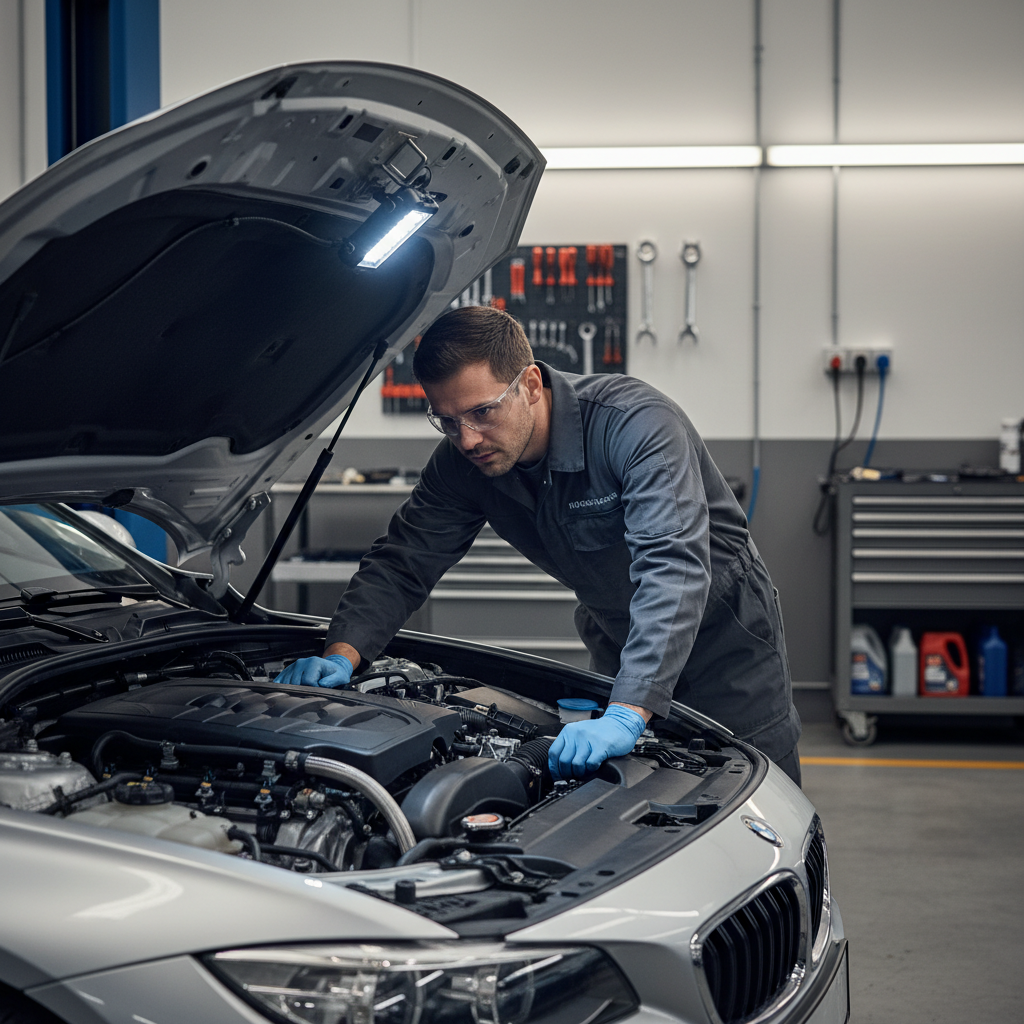
What mechanics actually need from a work light
In a shop, light has to do two jobs: help you find things fast, and help you confirm things are right. That means beam quality and control matter as much as raw output.
- Two beam types: a focused spot for looking deep into an engine bay, plus a wide flood for hands-on work.
- Hands-free options: magnets, hooks, clamps, or a headlamp pairing, because you will need both hands sooner than you think.
- Glove-friendly controls: big buttons, simple modes, and no “hold for strobe” surprises.
- Stable color and CRI: higher color rendering helps you see leaks, wiring colors, and grime boundaries, even if lumen numbers look similar.
According to OSHA... workplace conditions should support safe work practices, and lighting is a practical part of that. For shops, that translates to avoiding shadows and glare that can hide hazards or cause mistakes.
Why “brightest” often fails in real garages
High-lumen turbo modes look great on a spec sheet, but many are short bursts that step down quickly due to heat. In a bay, what you feel is the drop, not the peak.
- Thermal step-down: a light advertises 2000+ lumens, then settles at a much lower sustained level after a minute or two.
- Glare off reflective surfaces: polished metal and painted panels bounce light back, making fine details harder to see.
- Hotspots and tunnel vision: a tight beam can wash out your center view while leaving the edges dark.
- Mode clutter: too many modes slows you down, and mechanics tend to hate anything that interrupts flow.
The better approach is to aim for a usable sustained output, a clean flood pattern, and quick access to low and medium modes for close-up work.
Quick self-check: which type fits your work?
If you are buying one “do-it-all” light, match it to your most common tasks, not the occasional worst-case job.
Pick a slim magnetic fold work light if you…
- Do engine bay and interior work where you want even flood light
- Need to stick a light to a hood, lift post, or toolbox
- Prefer a light that can stand, swivel, and aim without rolling away
Pick a right-angle flashlight (with clip) if you…
- Work under vehicles and need a directed beam into tight spaces
- Want to clip to a pocket, strap, or tool bag
- Like a light that can double as an emergency handheld
Pair a headlamp with a handheld if you…
- Often need light exactly where you look, especially with both hands occupied
- Do diagnostics, wiring, and inspection work where shadow control matters
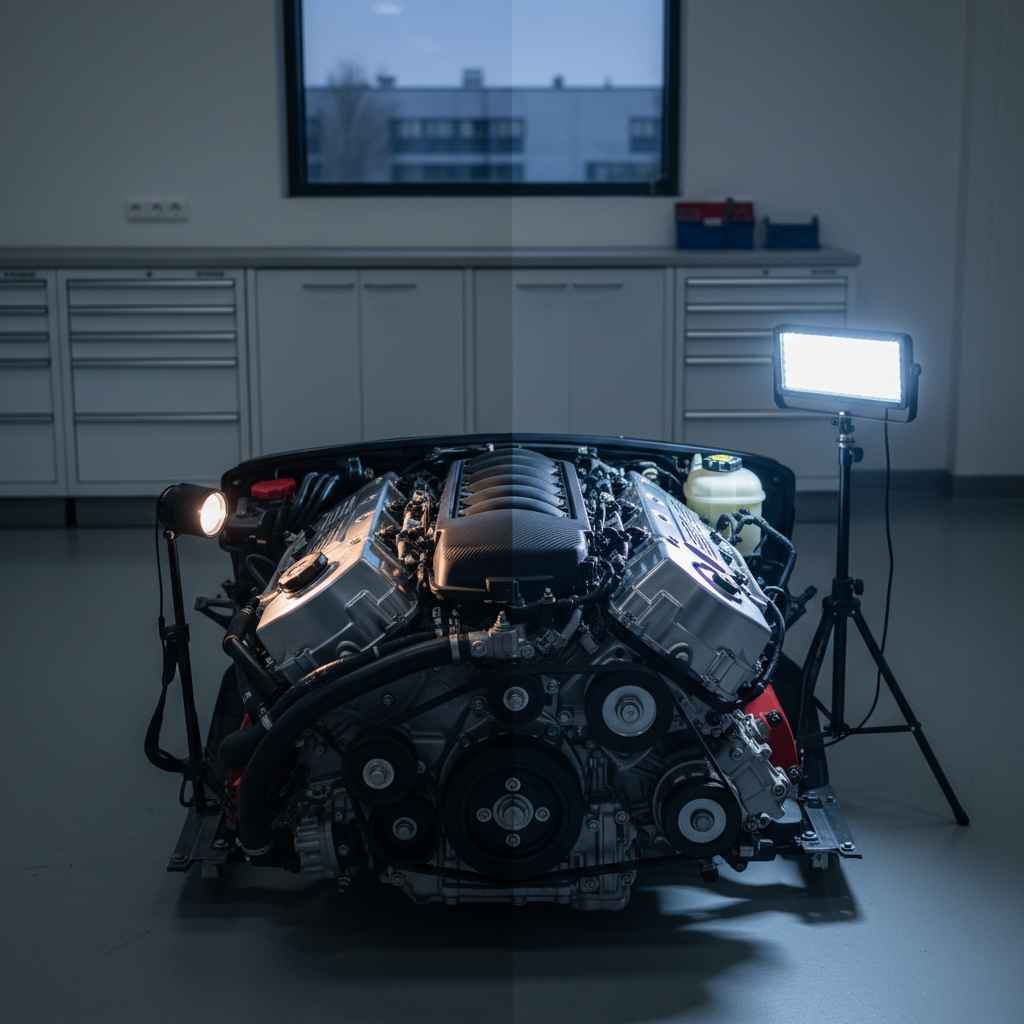
Buying criteria that matter in 2026 (and what to ignore)
Specs can still help, but only if you translate them into shop reality. Here is what tends to separate frustrating lights from “always in my pocket” lights.
- Beam profile: look for a smooth flood for close work, and a controlled spot for reach. Dual-output designs can be worth it.
- Runtime honesty: prioritize published runtimes on medium modes. Turbo-only bragging is not your friend.
- Charging: USB-C is convenient, magnetic charging is easy in bays, proprietary cradles are fine only if you will actually use them.
- Magnet strength and placement: base magnets hold well, but side magnets and rotating heads make aiming much easier.
- Durability: oil, brake cleaner mist, drops onto concrete, and vibration are normal. Look for impact resistance, good seals, and solid hinge design.
- Color temperature: many mechanics prefer neutral white for accurate color, while cool white can feel harsher and increase glare.
- Size and carry: if it is annoying to carry, it will live in a drawer, and you will go back to your phone light.
What to ignore most of the time: “max lumens” without a sustained rating, strobe-focused marketing, and vague “aircraft grade aluminum” copy with no real impact or ingress details.
Feature comparison table (use this to narrow your shortlist)
This table is a practical way to decide what category of light to buy first. Many shops end up with two: a flood work light plus a small flashlight.
| Light type | Best for | What usually goes wrong | What to look for |
|---|---|---|---|
| Slim foldable magnetic work light | Engine bays, interior panels, general bay lighting | Weak hinge, magnet slips, harsh glare | Rotating head, strong base magnet, diffused flood, USB-C |
| Right-angle flashlight | Under-car reach, aiming into tight gaps | Too narrow beam, awkward switching, rolls away | Clip, tail magnet or base, simple UI, stable medium mode |
| Penlight | Inspection, VIN/labels, small crevices | Not enough output, fragile clip | Good clip, pocketable, decent tint, easy on/off |
| Headlamp | Hands-free repairs, wiring, long sessions | Hot spot, uncomfortable strap, short runtime | Wide beam, comfortable band, adjustable angle, replaceable battery |
Practical setup: how to use one light like a pro
Even the best flashlight work light for mechanics will feel mediocre if you place it wrong. A few small habits make a bigger difference than another 300 lumens.
Positioning tricks that reduce shadows
- Light from the side for texture: it makes cracks, leaks, and uneven surfaces stand out.
- Use a bounce: aim flood light at a light-colored panel or cardboard to soften glare in tight chrome-heavy areas.
- Two angles beat one: if you keep one small flashlight and one magnetic flood, set the flood for area light and use the flashlight for confirmation.
Battery and charging habits that save you mid-job
- Keep a USB-C cable near your scan tool or laptop station, so charging becomes automatic.
- If your light uses removable cells, label sets and rotate them, mixed cells can cause uneven performance.
- Avoid storing lithium lights in extreme heat. If a battery looks swollen or a charger behaves oddly, stop using it and consider professional advice.
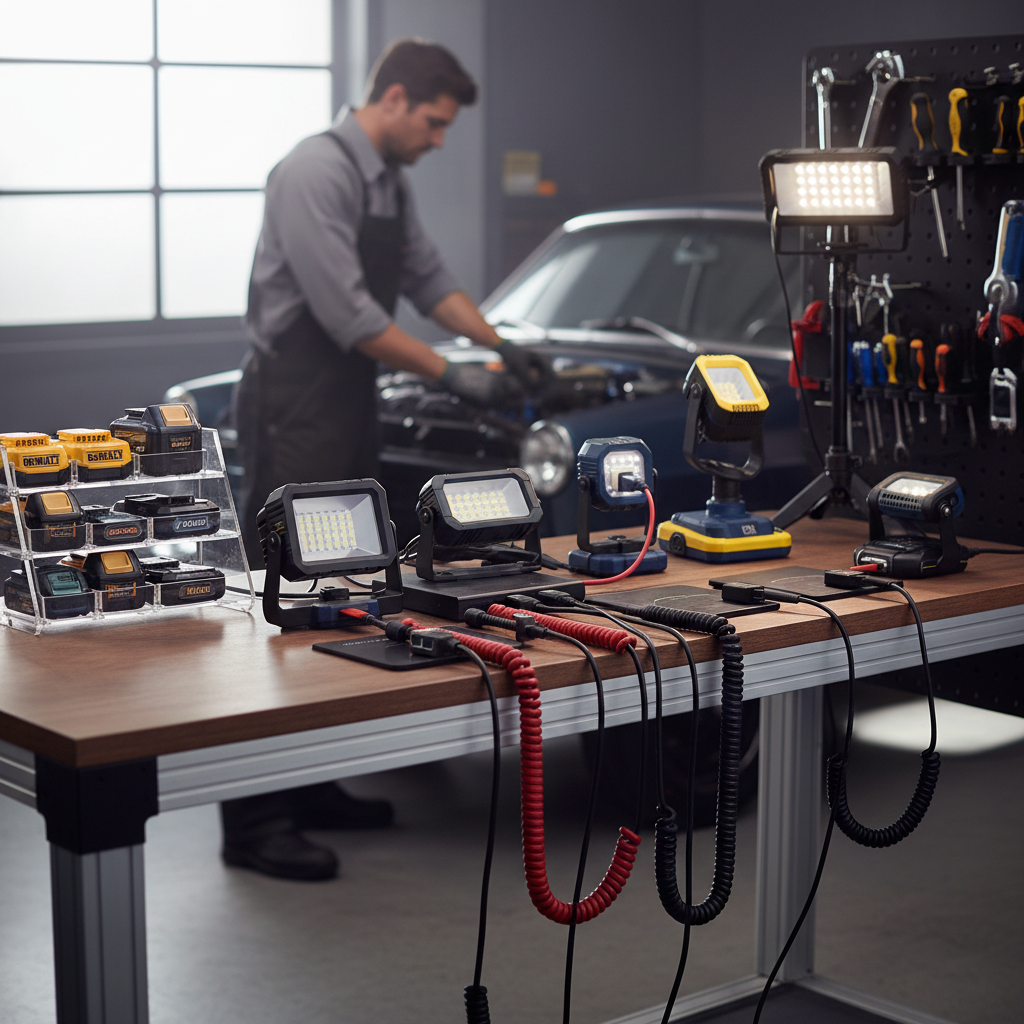
Common mistakes and safety notes
Most disappointments come from small mismatches, like buying a perfect inspection light and expecting it to light an entire bay.
- Buying only a spot beam for close work, it creates glare and hides detail in shadows.
- Ignoring mount options, a strong magnet and a stable stand matter as much as output.
- Overusing turbo, heat and step-down can make the light feel inconsistent.
- Leaving lights where chemicals hit, some solvents can damage lenses and seals over time.
For safety, avoid aiming high-output beams into eyes, and be cautious around fuel vapors and hot surfaces. If you are unsure about safe lighting near a specific chemical or process, it is reasonable to ask your shop manager or a safety professional.
Conclusion: the “best” pick is usually a small system, not one hero light
The best flashlight work light for mechanics in 2026 is the one you will actually carry, mount, and trust on medium mode for most of a shift, with a beam pattern that helps you see detail instead of just blasting brightness.
If you want one simple move today, buy a magnetic flood work light for hands-on repairs, then add a compact flashlight or penlight for tight inspections. That combo covers most bays without drama.
If you already own a decent light but still struggle, change placement and add a second angle before upgrading, it fixes more visibility problems than people expect.